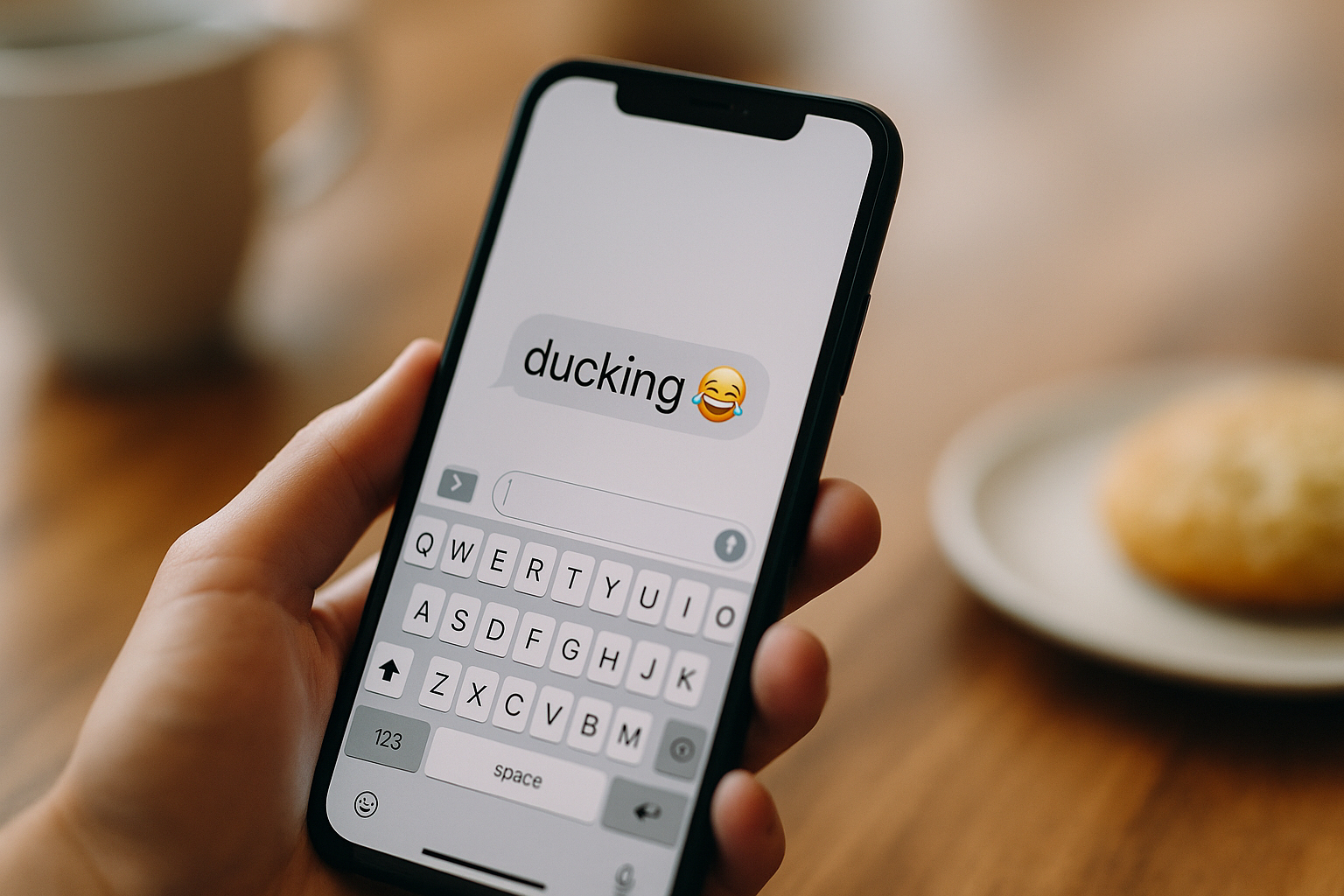
Your phone buzzes with a text from your mom asking if you want “chicken for diner.” But autocorrect had other plans, and now she’s apparently offering you “children for dinner.” Welcome to the chaotic world of autocorrect fails, where innocent messages transform into hilarious disasters that leave both sender and recipient in confused stitches. These digital mishaps have become so common that they’ve spawned entire websites dedicated to documenting the mayhem, and some fails are so legendary they’ve achieved internet immortality.
Autocorrect was designed to make our lives easier, catching typos and speeding up our typing. Instead, it’s become the ultimate wildcard in digital communication, transforming mundane conversations into comedy gold. From embarrassing text exchanges with bosses to cringe-worthy messages sent to the wrong person at the worst possible time, autocorrect has a talent for creating moments we desperately wish we could unsend. The collection of autocorrect disasters from around the internet proves that no one is safe from this technological trickster.
The Classic Parent-Child Autocorrect Disasters
There’s something uniquely horrifying about autocorrect fails involving parents. Maybe it’s because our parents are still getting used to smartphones, or perhaps autocorrect has a vendetta against wholesome family communication. Either way, the results are consistently hilarious.
One legendary exchange involved a mother trying to tell her daughter she’d made “pot roast” for dinner. Autocorrect decided “porn roast” was the better option, leading to a confused and deeply uncomfortable text thread. Another classic featured a dad trying to tell his son he’d “cut the grass” but instead informed him he’d “cut the gas,” prompting an emergency phone call about potential explosions.
The worst part? Parents often don’t notice the error until their kids point it out, sometimes hours later. One mom innocently texted her entire family group chat that she was “making crack” for the church bake sale. She meant “making cake,” but by the time someone corrected her, seventeen relatives had seen the message. According to compilations of the funniest fails, parent-related autocorrect disasters consistently rank among the most shared and beloved.
Work-Related Autocorrect Nightmares
If autocorrect fails with family are embarrassing, workplace autocorrects are career-threatening panic attacks waiting to happen. Professional communication demands precision, but autocorrect treats your carefully worded emails like a playground for chaos.
One employee meant to tell their boss they’d “analyze the data” but autocorrect changed it to “paralyze the data,” making them sound like a corporate saboteur. Another worker tried to schedule a “conference call” but sent out meeting invites for a “conference ball,” leading to genuine confusion about dress code expectations.
The stakes get even higher with client communications. A real estate agent meant to describe a property as having “beautiful fixtures” but autocorrect went with “beautiful fistfights,” suggesting the house came with complimentary violence. A restaurant manager trying to tell staff about “table arrangements” instead sent instructions about “terrible arrangements,” tanking morale before the dinner rush.
The corporate world has seen its share of legendary fails too. One executive meant to sign off an email with “Best regards” but autocorrect opted for “Best retards,” requiring an immediate follow-up apology email and probably a conversation with HR. These moments remind us why the “recall message” function exists, even if we never hit it quite fast enough.
Romantic Autocorrect Catastrophes
Autocorrect seems to take particular joy in sabotaging romantic moments. Whether you’re trying to be sweet, flirty, or sincere, autocorrect will find a way to make things weird, awkward, or completely nonsensical.
One person trying to tell their partner “I miss you” had it changed to “I hiss you,” transforming a tender moment into something reptilian and strange. Another romantic soul attempted to say they were “thinking of you” but autocorrect decided “stinking of you” was more accurate, which is considerably less charming.
Date planning becomes a minefield with autocorrect’s help. Someone suggesting “dinner and a movie” had it changed to “dinner and a mobster,” proposing what sounds like a very different kind of evening. Another person inviting their crush to “meet for coffee” accidentally invited them to “meat for coffee,” which raises questions about both the beverage and the venue.
The most cringe-worthy romantic fails happen when autocorrect strikes during serious conversations. One person trying to apologize with “I was wrong” had it changed to “I was wring,” making them sound both unrepentant and possibly possessed. These autocorrect fails that leave you crying with laughter prove that technology and romance make awkward bedfellows.
Food-Related Autocorrect Absurdity
For some reason, autocorrect has a particular grudge against food-related conversations. Maybe it’s because food words are often informal or regional, or maybe autocorrect is just hangry. Whatever the reason, culinary communication is a disaster waiting to happen.
Someone asking their roommate to pick up “chicken breasts” from the store had it changed to “chicken beasts,” suggesting either mutant poultry or a very interesting butcher shop. Another person requesting “ground beef” accidentally asked for “drowned beef,” which sounds like a tragic accident at a cattle ranch.
Recipe sharing becomes comedy when autocorrect gets involved. One home cook meant to recommend adding “cumin” to a dish but autocorrect suggested “cuddling” instead, transforming cooking instructions into relationship advice. Someone else’s “zucchini bread” recipe became “bikini bread,” which is either a typo or a very niche Pinterest category.
Restaurant orders suffer too. A person trying to order “kung pao chicken” had their text changed to “king pao chicken,” accidentally ordering a dish fit for royalty that definitely doesn’t exist on the menu. Another customer requesting “extra napkins” asked for “extra napkins” but autocorrect went with “extra nephews,” leading to confusion about whether they were dining alone or bringing extended family.
The “Ducking” Phenomenon and Swear Word Substitutions
Perhaps no autocorrect fail is more universally recognized than the infamous “ducking” substitution. Everyone knows exactly what you meant to type when “ducking” appears in your message, which somehow makes it more embarrassing rather than less.
This particular autocorrect has become so notorious that people now use “ducking” intentionally as a family-friendly swear word. It’s evolved from autocorrect fail to legitimate vocabulary, which is either linguistic evolution or the machines winning. Either way, we’ve all sent a message complaining about “this ducking traffic” when we meant something considerably less waterfowl-related.
Other swear word substitutions create their own brand of chaos. Someone expressing frustration about a “crappy day” had it changed to “happy day,” completely reversing the emotional content of their message. Another person’s “this sucks” became “this ducks,” which maintains some of the sentiment while adding unnecessary poultry.
The irony is that autocorrect assumes we’re more likely to discuss ducks than use common expletives, despite overwhelming evidence to the contrary. It’s digital prudishness taken to absurd extremes, sanitizing our language whether we like it or not. The result is a generation of people who’ve accepted “ducking” into their vocabulary or learned to furiously turn off autocorrect mid-rant.
Group Chat Autocorrect Disasters
Group chats amplify autocorrect embarrassment exponentially. Instead of one person witnessing your digital mishap, you’ve got five, ten, or twenty people all seeing your autocorrect fail simultaneously, and someone’s definitely taking a screenshot.
One person trying to tell their friends they were “running late” had it changed to “running hate,” making them sound like they were organizing some kind of aggressive marathon. Another group chat member offering to “bring chips” accidentally offered to “bring chaps,” suggesting a very different kind of party atmosphere.
Planning events in group chats becomes chaotic with autocorrect’s interference. Someone suggesting meeting at “six o’clock” had it changed to “sex o’clock,” turning a casual hangout into something that required immediate clarification. Another person proposing a “potluck dinner” accidentally suggested a “potlick dinner,” which sounds unsanitary and possibly illegal.
The worst group chat fails happen during serious conversations. One person trying to offer condolences with “I’m so sorry” had autocorrect change it to “I’m so corny,” transforming genuine sympathy into apparent mockery. These moments require quick follow-up messages, multiple apologies, and the kind of explanation that somehow makes things worse.
Medical and Emergency Autocorrect Fails
When autocorrect strikes during medical situations or emergencies, the results range from confusing to potentially dangerous. These are the fails that remind us autocorrect is a luxury feature that hasn’t quite figured out context or urgency.
Someone texting a family member about needing to “take medication” had it changed to “take meditation,” suggesting a very different approach to healthcare. Another person trying to explain they had a “migraine” accidentally claimed they had a “my brain,” which is technically true but medically unhelpful.
Emergency situations get complicated fast with autocorrect’s help. One person trying to tell someone to “call 911” had it changed to “call 411,” redirecting emergency response to directory assistance. Another urgent message about needing “an ambulance” became “an appliance,” suggesting the emergency involved a broken refrigerator rather than a medical crisis.
Doctor’s office communications aren’t safe either. A patient confirming their “appointment at three” had it changed to “disappointment at three,” setting a rather pessimistic tone for the visit. Someone describing their symptoms as “fever and chills” had it autocorrected to “beaver and skills,” creating a medical mystery no doctor is equipped to diagnose.
Why Autocorrect Fails Will Never Stop Being Funny
Despite the embarrassment, confusion, and occasional relationship damage they cause, autocorrect fails remain endlessly entertaining. There’s something universally relatable about technology betraying us at the worst possible moment, transforming our carefully chosen words into absolute nonsense.
Part of the humor comes from the randomness. Autocorrect doesn’t just make small changes – it completely transforms meaning in ways no human would ever intentionally choose. The gap between what we meant to say and what actually got sent creates instant comedy, especially when the autocorrected version is wildly inappropriate for the context.
There’s also schadenfreude at play. Reading someone else’s autocorrect disaster reminds us of our own technological humiliations while making us feel slightly better about our own digital mishaps. We’ve all been there, which makes these fails feel like shared human experience rather than individual embarrassment.
The best autocorrect fails have become part of internet culture, screenshot and shared thousands of times across social media. They remind us that despite all our technological advancement, we’re still at the mercy of algorithms that think we’re more likely to discuss ducks than express frustration. And honestly? That’s pretty ducking funny.

Leave a Reply